 We did not have many options for J – just Jordan, Jamaica and Japan. And as we recently did a Caribbean nation (Dominica) and are going to be doing a lot of Middle Eastern ones with the lack of O, Q and Y countries, we opted to go to the the Far East for our largest and most well-known country yet – Japan!
We knew some basic facts about Japan going into this, but were fascinated by how the country is so modern but holds onto so many of is old traditions. It’s also worth noting that Japan is the oldest continually existing countries, with its founding going back to the late 300s B.C., but people have been living there for more than 10,000 years. However, up until the late 1800s it was isolated from the rest of the world.
Japan does indeed have a rich history of Samurais, emperors, earthquakes, wars and technology. So it was hard to cram it all into one readable document. But here it is: JAPAN_info
Interesting Facts:
- Japan consists of more than 3,900 islands

- Japan is home to the norther most monkey, the Japanese macaque
- It is polite to burp and slurp your noodles at a Japanese meal because it is a sign of enjoyment.
- There are about 5.5 million vending machines in Japan and ost of them are on the streets. They have anything from lightbulbs to fish bait and underwear (Sometimes it’s used, gross)
- There are about 3,000 McDonalds in Japan, it is the most number of McDonalds of anywhere outside the U.S.
— By Laura
FOOD
For Japanese food you probably guessed it: sushi, miso, fish, and udon and thats what we made. Lots of Japanese food consist of either grilled of raw fish since they are an island country, right? The Japanese also eat lots of noodles with some Chinese influence. They eat pretty much anything including lot’s of seafood. Now try to make some of these dishes!!
Breakfast


Grilled fish – we used frozen tilapia but you can use a Japanese fish if you want fresh or frozen and we sprinkled garlic and soy sauce on top.
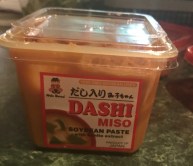 Miso soup – for this we got a miso – Dashi paste instead of getting both miso paste and Dashi powder separately. Boil the paste in a pot (we used an earthenware pot) and follow the instructions on the back. We added tofu and scallions to the soup. This was kind of salty and earthy but we all liked it.
Salad – a typical salad with peanuts in there.
Rice – Typical rice in a rice cooker or pot.
Dinner


Sushi!!! Everyone loved it.
- Tuna – roll up rice and raw tuna in seaweed
- Fish roe – roll up a decent amount of fish roe and rice in seaweed
- Tuna – fish roe – put rice on one side of the seaweed covering all of of the side, press fish row into the rice, flip it over and put rice and tuna in. Roll the seaweed up.
- Spicy tuna – Spicy tuna recipe it is spicy but not too spicy. You should try the sauce alone.
- Sashimi – Put the extra tuna on top of rice and rap in strip of seaweed(Very thin).
**Tip – for covering the inside of the roll put only rice on two – thirds of the seaweed, not the whole entire side.
Udon – Udon recipe we didn’t add the chicken but everybody loved it and there was a fight about who could have the last of it!! It was savory and a little sweet.
Tempura – Tempura recipe We used cauliflower, Shishito peppers and shrimp.


Culture
For Japan’s arts we had a load to choose from, like making dolls or fish kites for children’s day which is May 5th. But instead we chose painting, specifically painting letters for one of the three languages spoken in Japan. There is Hiragana which is the most popular language spoken in Japan. It uses 46 symbols. Katakana which is the second most spoken language in Japan. Katakana is the language that Japanese use to translate into other languages. The least used language is Kanji which is basically Mandarin. It has over 500,000 symbols and it was Japan’s first language to be spoken there.
The writing is sort of complicated with a lot of swirls. This is how you say I love you in Hiragana:あなたを愛しています. We tried to paint it and
it worked out really good. There is one Kanji letter in there., that shouldn’t be there.愛
After that I (i’m Isaac anyway) attempted to write Doumo Ariga in Hiragana. I thought it  was Domo Arigato which would look like this:どうもありがとう It means thank you very much. I left out the two う’s which are u’s so the spelling would look like this:どもありがと. Here is a chart to translate:Hiragana chart And more charts:Katakana chart
Japan Flag
The Japanese flag looks pretty simple right. It’s just a red circle on a right background but wait, what does the flag mean. The Japanese flag is called Hinomaru or circle of the sun. The sun as it is represented on Japan’s flag plays an important roll in there culture. All emperors were said to be a direct descendent of the sun goddess Amaterasu. During the Japanese empire the sun became a very major symbol in Japan. And why is it red? It’s because it represents the rising sun on a early morning. For more information go to : Japan Flag
Next is K is for Kyrgyzstan!!
— By Isaac
 Playroom Passports
アイザックサンさんを共有していただきありがとうございます
Aizakku San-san o kyōyū shite itadaki arigatōgozaimasu
LikeLike
Hi Isaac’s mom, this is your son Isaac’s friend Zack from CCES. I just have won critique for you. I don’t think you should put the fact about McDonalds because it isn’t that open-minded, and it looks down on traditional Japanese cooking, and culture. Remember, that I’m not insisting. This is just a suggestion.
Truly yours,
Zack Lam
LikeLike