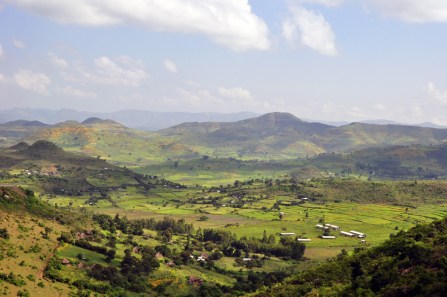
 We decided to head to West Africa for T and visit a silver of a country (about the size of Tennessee) none of us knew much about – Togo.
Togo is well known – for better or worse – for being home to the Slave Coast – the main trading point for slaves heading to Europe and the new world long ago. Since then it has been under the German and French flags but has remained largely autonomous. It became independent in 1961, and one president had a tight rule over the country for 38 of those years. Consequently, Togo still remains quite poor with an average annual income of just $541 (US).
The main indigenous group of people to the Togo are the Kabiye but the Ewe (migrated from Nigeria in the 15th century) is the largest ethnicity. And there are more than 30 West African ethnicities represented.
For more information on Togo, you can check out our presentation here: Togo
And here’s some more interesting facts about the Togo:
- Togo means “House of Sea” in the Ewe language

- French is the national language but not largely spoken. You typically hear the indigenous languages of Ewe in the south and Kabiye in the north.
- At its widest point Togo is only 75 miles across.
- The Koutammakou landscape in north eastern Togo, which extends into neighboring Benin, is home to the Batammariba, whose impressive mud tower houses have come to be seen as a symbol of Togo.
FOOD
Togolese love their corn! That was the main message we go when researching the food of this country. Togolese eat the cassava-based fufu (doughy balls they use to scoop up their food) but they also have their own version that is corn/maize based. And like other west African countries, they love peanuts. And being such a poor country, chicken and beef are only eaten on special occasions, so if we wanted to make our meal truly authentic we would have found agouti (a large rat-like animal Togolese often grill up!)
Dinner


Chicken in Peanut Sauce – This was delicious and definitely something we might make again. The sauce would go well with just about anything.
Okra Soup This had good flavor but we think chopping up the okra so small made it way too slimy. So it was more of a gel than a soup after it cooled.
Fufu (from a mix)
Akume (from a mix) This is the Togo’s maize-based fufu. Pretty tasty.
Corn on the cob
German Beer (for the adults.) Thanks to the German influence, Togolese love a good Oktoberfest!
Breakfast


Fried Eggs – Even in West African, they love their eggs for breakfast.
Baguette (Thanks to their French influence!)
Fried Bananas – We looked a couple recipes but basically sliced bananas and fried them in butter, brown sugar and a little lime juice until lightly browned.
CULTURE


Togo’s indigenous Kabiye people – like many African tribes – hold a coming of age ceremony for both girls and boys when they are around 16 years old. The girls involves a rather embarrassing parade and sitting a rock but the boys sounded much more interested so we decided to focus on that.
The ceremony/festival is called Evala and basically involves young boys wrestling each other in numerous competitions while the whole village watches. They wrestlers are usually covered in a powdery substance to start (which we did not recreate) and also celebrate by killing a dog and rubbing themselves with the fat (which we did not recreate, either!).
We read about the ceremony here: Evala and watched some matches here: Evala video and we looked up some basic rules on wrestling in general.
You can see Isaac and Andrew’s, um, interesting attempt at an Evala wrestling match here: Osuri Evala.
Sorry for the delay in getting to T but hopefully we will get back to you sooner this time with U is for Uruguay as Isaac (not Mama) says he will write it!
 Playroom Passports